

Ozempic Price at
Dis-Chem South Africa: Cost, Availability & Eligibility
SCOPE Certified Weight Loss Doctors

Reviewed by
Dr Amina Guffar
Medical Practitioner in Women's Health, Obesity & Aesthetics | Medical Advisor

Key Takeaways
Ozempic at Dischem costs roughly R1,300 – R3,000+ per pen, depending on the dosage.
Stock availability is inconsistent, meaning patients may need to contact multiple branches or wait.
You need a valid prescription, which usually requires ongoing doctor visits.
Hidden costs add up (consultations, travel, time, and potential treatment delays).
Treatment interruptions are common due to supply shortages.
Telehealth alternatives, including assessment, prescription, and home delivery.
View our treatment options
Price of Ozempic at Dischem
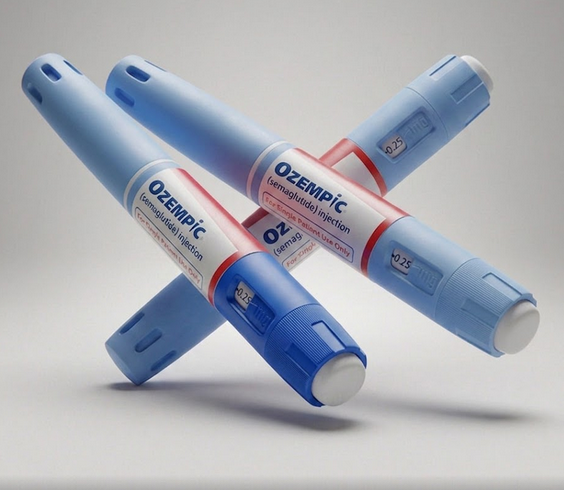
The latest price of the Ozempic SEP (updated 05/2026) is R 1 437.78 - R 2 875.56.
However, the medication price is only one part. When comparing costs, it’s essential to consider more than just the pen price to get the full picture.
Have a script for Ozempic?
Get it delivered to your door
The Other "Hidden Costs"
Many people don’t realise that getting Ozempic involves more than just the medication it self. Especially if you want to get the best outcomes and avoid the side-effects. Extra costs outside of medication can include:
Monitoring Progress - Consultations, lab testing (R1000 - R3000)
Extra Equipment - Needles, alcohol swabs (R200 - R300)
Delivery/Logistics - Time to collect medication or get it delivered (R100 - R300)
Without proper guidance, you may not only pay more but get worse side effects and slower weight loss.
Is Ozempic currently available at Dischem pharmacy?
While Dis-Chem (and other major pharmacies) stocks Ozempic, availability can still vary between branches. Supply was previously inconsistent due to high global demand, although this is gradually improving. However, your specific dose may not always be available at every location, so it’s best to call ahead to confirm stock or consider ordering through a telehealth provider online.
Online vs Pharmacy: Getting Ozempic Prescribed Through Telehealth
Feature
Traditional Pharmacy
Telehealth (Get Tested)
Medical Assessment
Separate doctor visit
Included in program
Medication Available
Sometimes
Always
Convienence
In store visits
Fully online
Delivery
In-person collection
To your door
Costs
Extra consultations/travel costs
Transparent pricing
Ongoing Support
Variable
Ongoing support and blood test monitoring
What Kind of Results Can You Actually Expect with Ozempic?
Ozempic® (semaglutide) has been shown to be an effective option for weight management when used alongside lifestyle changes such as a reduced-calorie diet and increased physical activity. On average, patients may lose around 15% of their body weight over the course of a year (STEP 1 trial), although individual results can vary depending on dose, adherence, and personal medical factors.
However, it is important to note that rebound weight gain is common after stopping treatment, particularly if lifestyle changes are not maintained, as the medication does not address the underlying drivers of weight regain on its own.
Ozempic vs. Mounjaro: Which Injectable Delivers the Maximum Weight Loss?
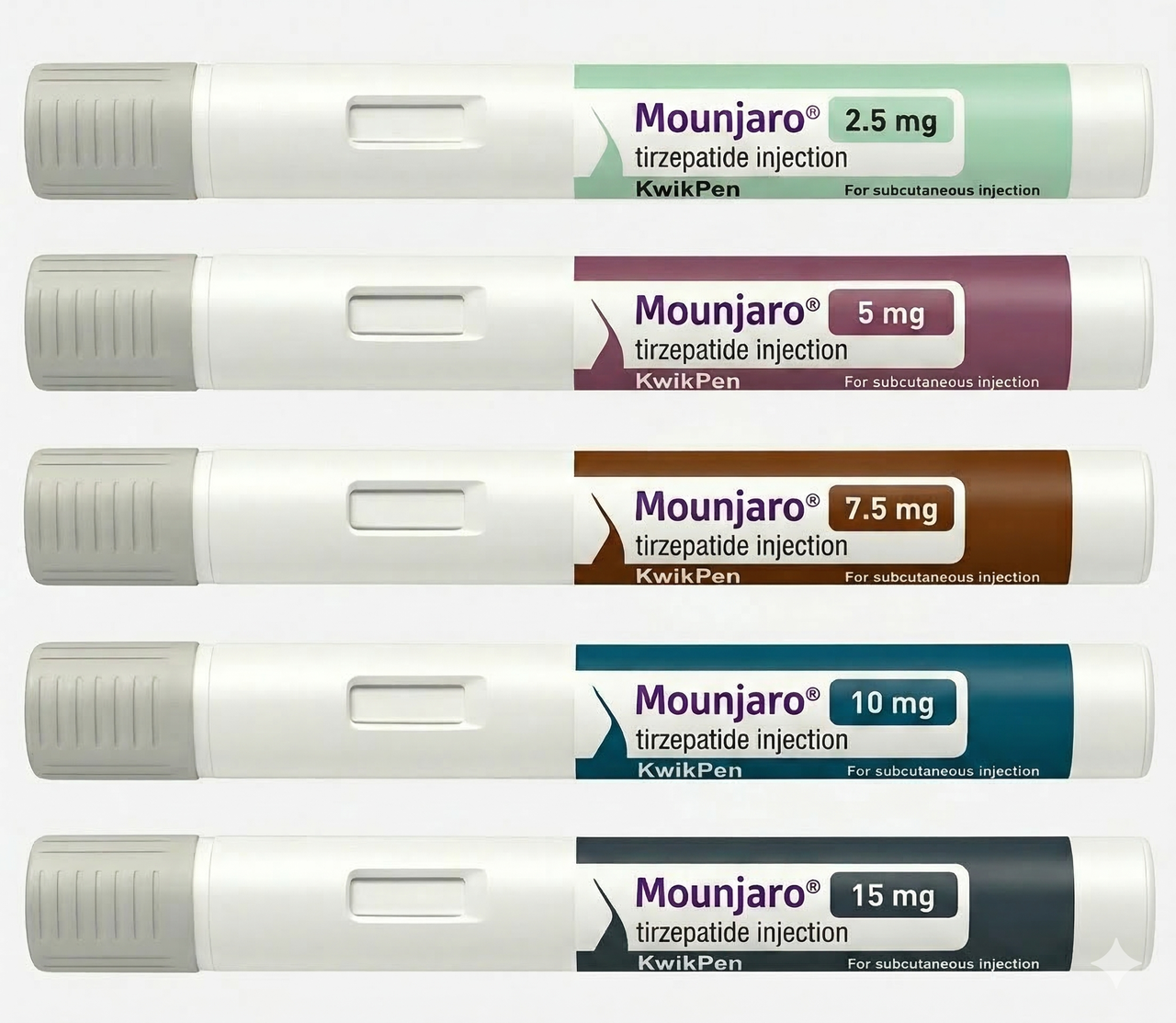
Ozempic® (semaglutide) and Mounjaro® (tirzepatide) are both injectable medications used for blood sugar control and weight loss, but they work slightly differently. Ozempic® targets the GLP-1 receptor, while Mounjaro® acts on both GLP-1 and GIP receptors, which may lead to greater appetite suppression and weight loss for some patients.
Clinical trials show that patients using Ozempic® (semaglutide) lose on average around 15% of their body weight over 12–18 months (STEP 1 trial). In comparison, Mounjaro® (tirzepatide) has demonstrated greater weight loss of around 20–22% (SURMOUNT-1 trial), with some studies showing even higher results in certain populations.This superior weight loss is likely due to its dual GIP and GLP-1 receptor activity, which provides broader metabolic effects beyond appetite suppression alone (Nauck and D’Alessio, 2024). However, a key trade-off is cost, as Mounjaro® is generally more expensive than semaglutide-based treatments
Orignal Ozempic® vs Non-branded semaglutide: what’s the difference?
Compounded semaglutide is often a more affordable alternative to branded semaglutide products such as Ozempic®, as it is prepared by licensed compounding pharmacies and typically offered at a lower cost. It contains the same active ingredient (semaglutide), although different inactive ingredients may be used in the formulation.
To help ensure quality and safety, compounded semaglutide should only be sourced from reputable, licensed compounding pharmacies that follow appropriate manufacturing and quality-control standards. While compounded formulations may offer a lower-cost option, they have not undergone the same large-scale clinical trials and manufacturing standardisation processes as branded products.
For patients seeking a more cost-effective treatment option under medical supervision, compounded semaglutide may be a practical alternative, with pricing typically starting from approximately R2 299.00 depending on the provider and formulation.
View our compounded programs
Get Started
Request treatment & complete a medical survey
Get Tested
Visit a Nearby Lab & Consult with a Doctor
Get Results
Start losing weight & receive ongoing care
References
Wilding JPH et al. Once-Weekly Semaglutide in Adults with Overweight or Obesity (STEP 1). New England Journal of Medicine, 2021.
Jastreboff AM et al. Tirzepatide Once Weekly for the Treatment of Obesity (SURMOUNT-1). New England Journal of Medicine, 2022.








#71c2f1
#71c2f1